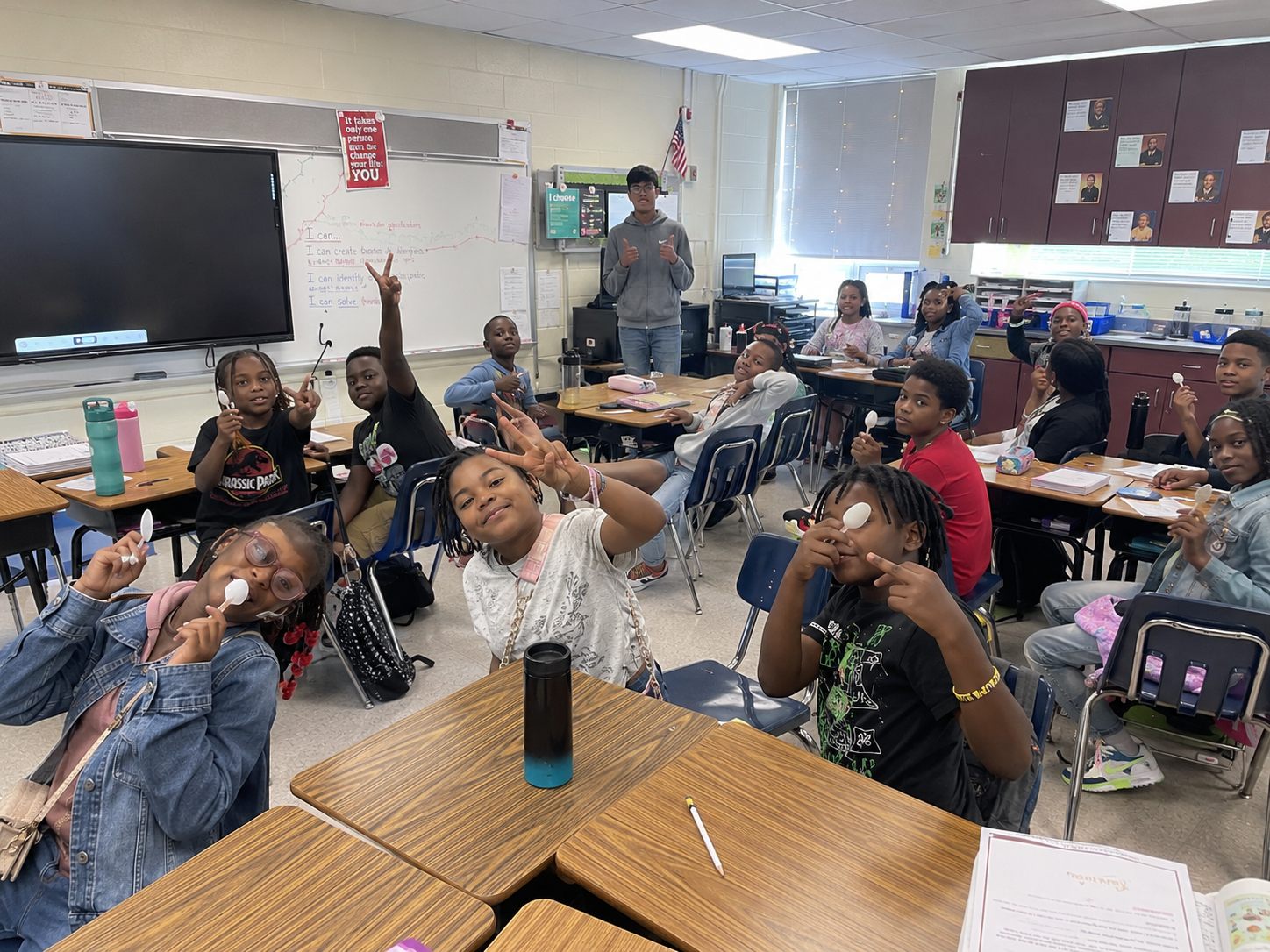
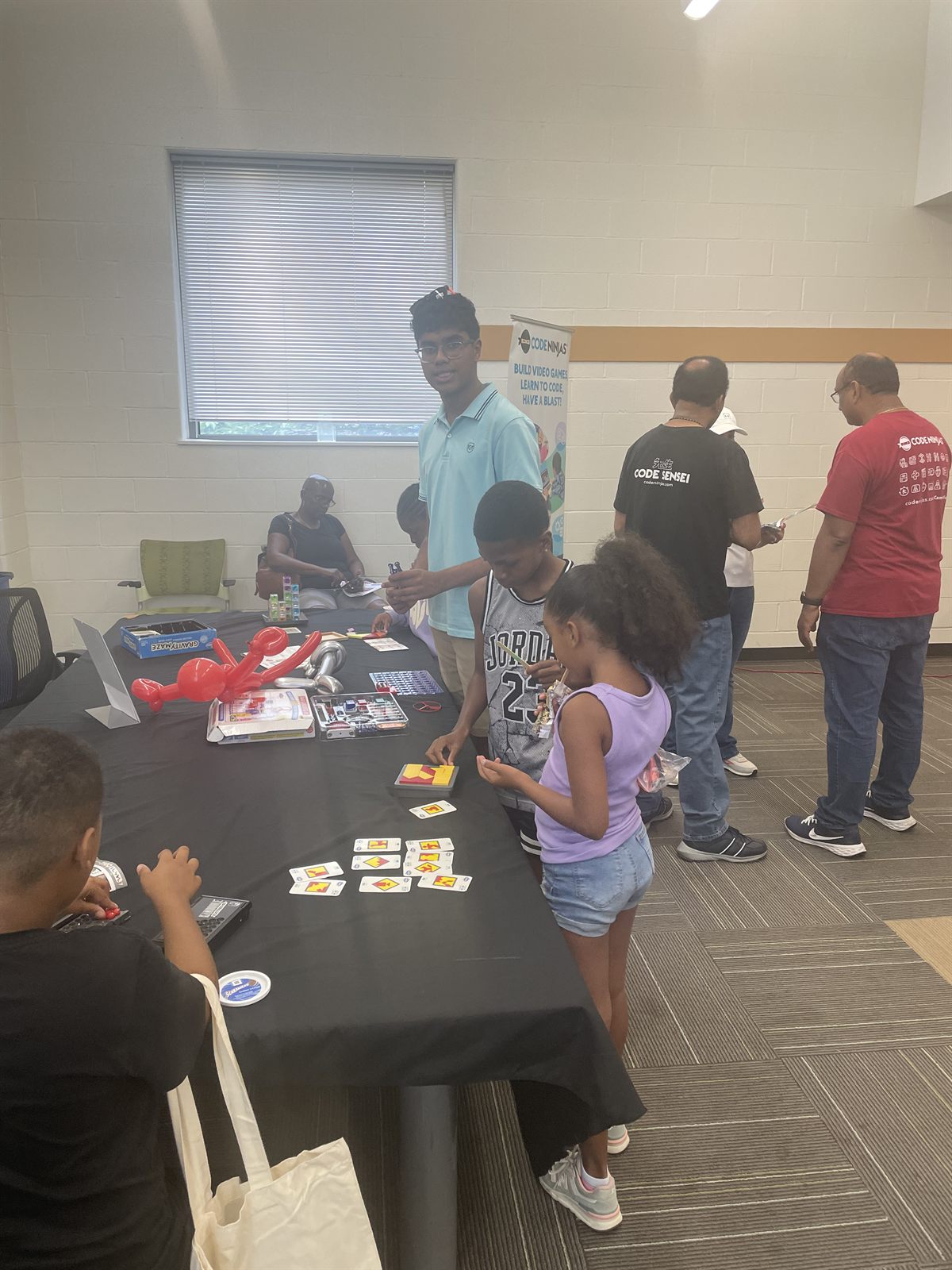
Our discussion draft would make AI literacy an explicit use of existing Title IV-A education funds. It covers classroom instruction, teacher training, and the practical skills students need to judge AI systems for themselves.

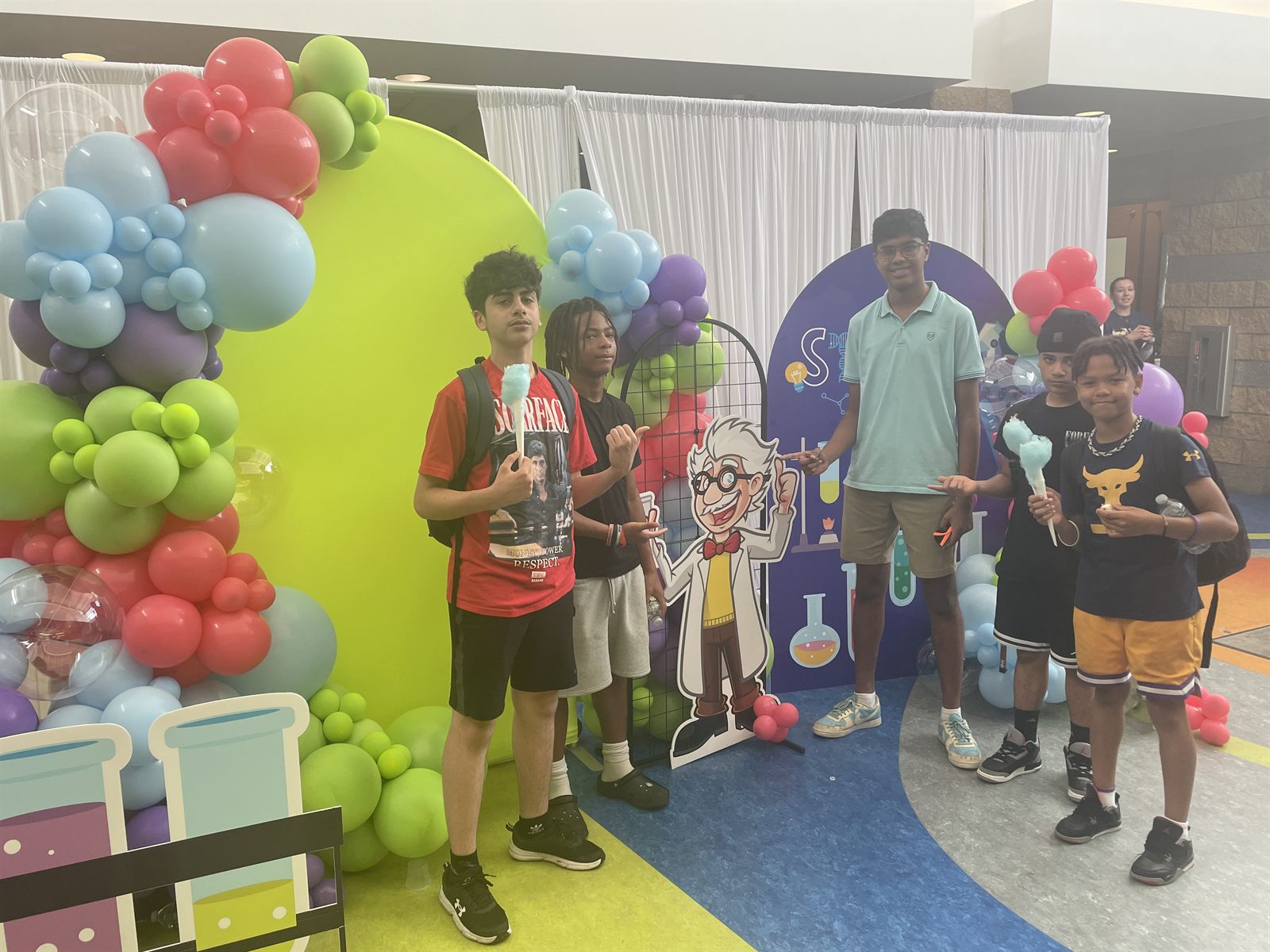
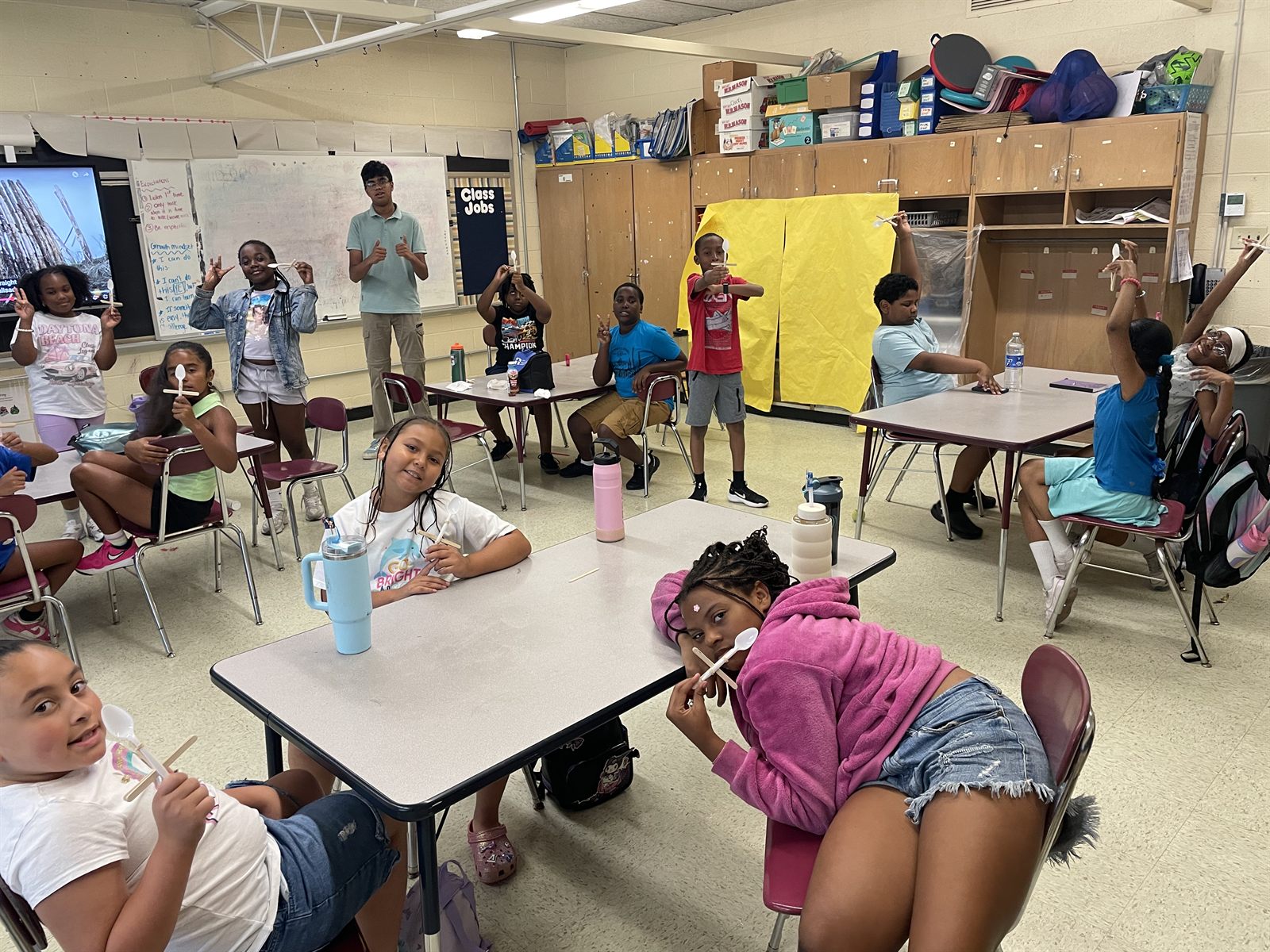
Running AI Pathways Camp showed us a basic problem: schools want to teach students how to use AI well, but access still depends heavily on local budgets and one-off programs.
We brought that experience to Congressman Larson's office and began looking at federal education law. The current draft amends the Elementary and Secondary Education Act of 1965. It does not create a new grant or promise a fixed award. Instead, it makes AI literacy an express use of the Student Support and Academic Enrichment grants that already exist under Title IV-A.
To amend the Elementary and Secondary Education Act of 1965 to expressly authorize activities supporting artificial intelligence literacy under the Student Support and Academic Enrichment grant program.
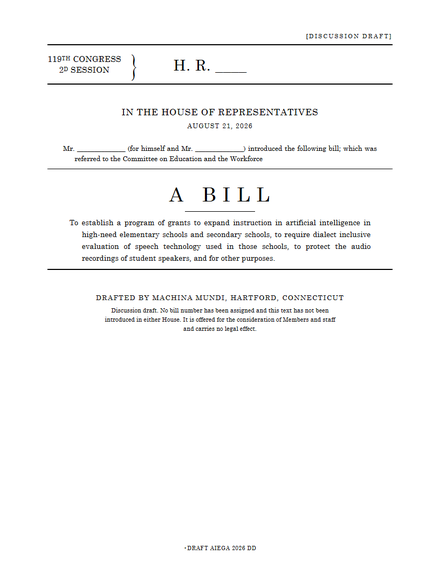 PDF
The bill adds AI literacy to the student instruction and educator support activities already allowed under Title IV-A. States could help schools develop accessible, openly licensed materials, run shared professional development, and give technical assistance to districts with limited access to AI instruction.
School districts could use the program for age-appropriate lessons, including lessons added to courses that already exist. The draft also covers training and instructional coaching for teachers, paraprofessionals, librarians and media staff, specialized support personnel, and school leaders.
The definition is practical. Students should understand how AI systems work and where they fall short. They should be able to check an output against reliable sources, spot bias or misleading content, and decide whether an AI system is appropriate for a task. The draft also includes protecting personal information.
This is legislative text for discussion, not an introduced bill. It has no bill number and may change as Members, staff, educators, and other reviewers respond to it. Introduction would require a congressional sponsor.